
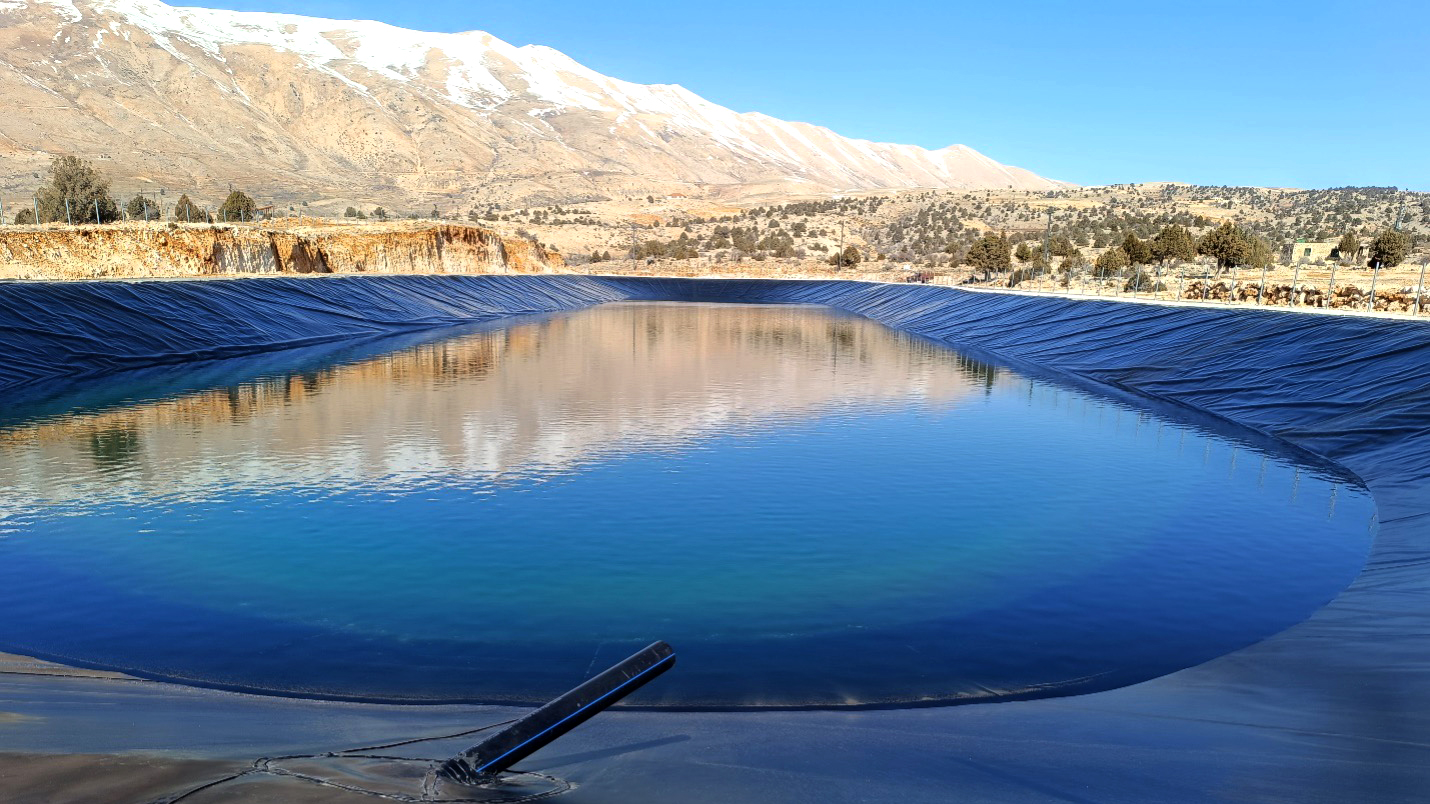
The growing demand for water in Lebanon’s agriculture sector is placing significant stress on irrigated farming. As a result, many farmers are abandoning their lands, investment opportunities in the sector are weakening, and reliance on groundwater is increasing. Conserving and storing additional water resources in lakes is essential for ensuring more sustainable water use, improving agricultural productivity, and expanding cultivated areas around these lakes.
This assignment was part of a Long-Term Agreement for environmental studies related to the construction, rehabilitation or operation of proposed lakes and canals in Lebanon, funded by KfW and implemented by UNDP. Ecocentra and Engicon were commissioned to prepare Environmental Impact Assessments (EIA) and Environmental Management Plans (EMPs) for several hill lakes.
Activities
To perform these studies, the project team conducted field visits, biodiversity assessments, literature review and data collection from the relevant municipalities. This work helped describe baseline conditions at the various sites, including the physical environment, socioeconomic context, and existing environmental challenges. The team then prepared the EIAs and EMPs to secure UNDP and Ministry of Environment (MoEnv) approval for implementation of the lakes.
As a key component of the EIA process, public consultations were conducted for the lakes in Kfarmishki, Bkerkasha, Bechwat, and Nabha-Qoddem. The purpose of these consultations was to inform relevant stakeholders, including local residents and farmers, about the proposed projects and to gather their concerns and feedback.
Challenges
The project team experienced delays in completing certain phases of the work due to the outbreak of war in 2024. The safety of all team members was prioritized during this period. Nevertheless, the team remained in close coordination with UNDP and was able to gather some information remotely from municipality representatives while waiting for the security situation to improve so that fieldwork could resume.
In addition, the team faced challenges accessing sites located at high altitudes, particularly during the winter season when snow cover prevented even 4x4 vehicles from reaching the lake locations, making access possible only on foot. During this time, it was also difficult to conduct public hearings, as many village residents commute to lower altitudes during cold weather. This required close coordination with the municipalities to ensure adequate community participation.