
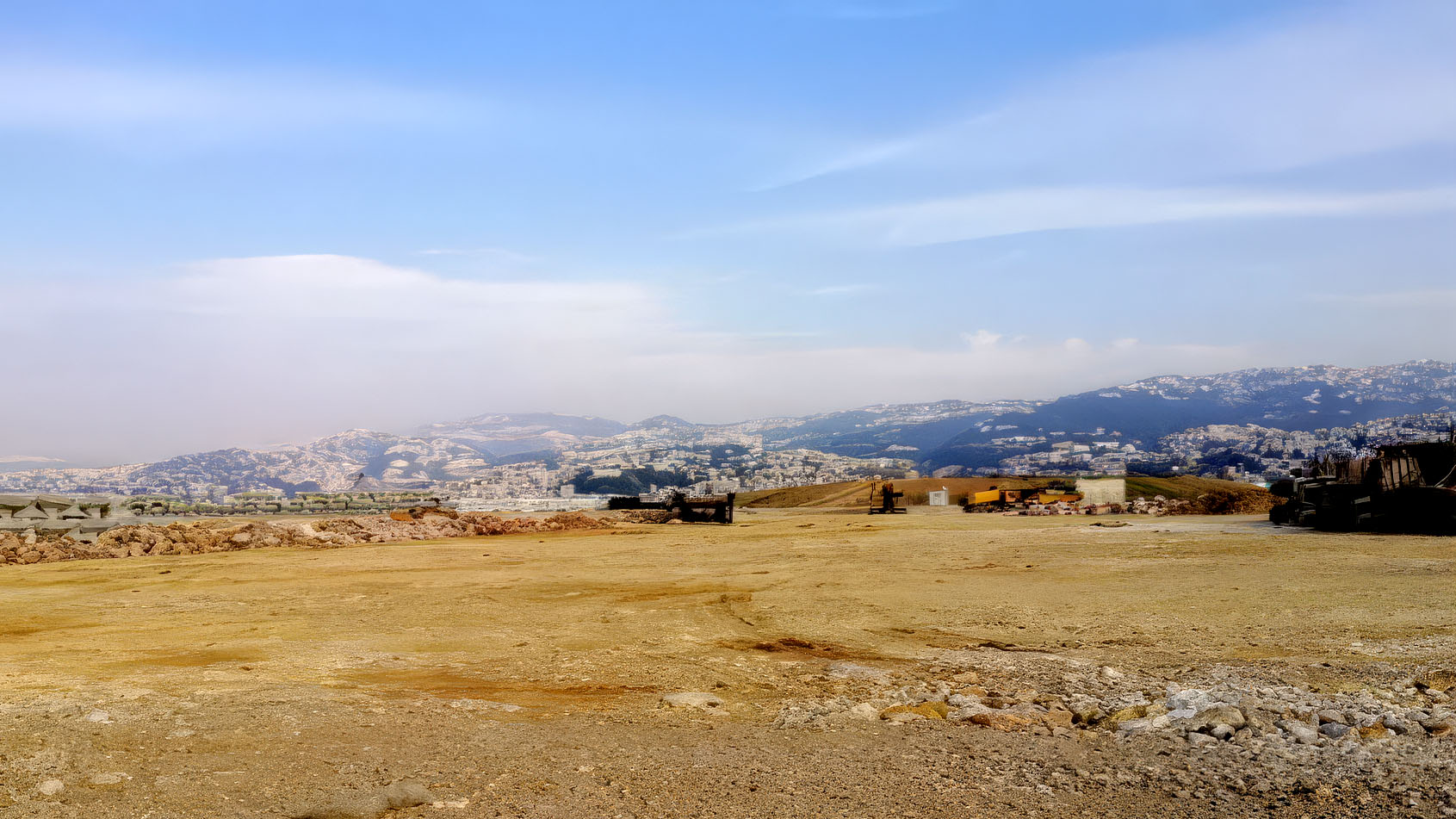
The wastewater sector in Lebanon suffers from chronic under-investment, combined with a weak institutional and governance structure and an insufficient tariff framework. Wastewater treatment is almost non-existent with only 8% of wastewater generated in the country treated. In addition, only 60% of the population is connected to a sewage collection network. In line with the government’s efforts to address the critical need for wastewater infrastructure, a wastewater treatment plant (WWTP) is proposed in Daoura/Bourj Hammoud on a 65,000 m² reclaimed coastal site located along the Lebanese shoreline. The WWTP is designed to provide a treatment capacity of approximately 325,000 m³ per day, serving an estimated 1.4 million inhabitants across the Beirut, Metn, and Baabda Districts.
Activities
The Consortium ENVIROPLAN S.A., KOCKS Consult, P2M Berlin and Ecocentra was contracted by EBRD for the Feasibility Study for this project. The assignment requires conducting an environmental and social impact assessment (ESIA) scoping report, ESIA study and Stakeholder Engagement Plan (SEP), for which Ecocentra was responsible.
An ESIA Scoping Report was first prepared to identify the potential environmental and social impacts of the Project during both construction and operation. Building on this, the ESIA required a comprehensive review of Lebanon’s national environmental, health, and safety legal and institutional framework, alongside relevant environmental and social national and EBRD standards, to ensure full compliance throughout project design and implementation. The assessment included a detailed description of the project and its associated facilities, as well as an evaluation of alternative design and location options. The ESIA team conducted extensive baseline studies covering water and air quality, land use, biodiversity, socio-economic conditions, and cultural heritage within the Project’s area of influence. The team focused on the assessment of marine biodiversity species and collected samples of groundwater within the catchment area, sea water and onshore sea sand and sediments for testing. The parameters that were tested are pH, TSS, BOD, COD, TN, TP, total and faecal coliforms and heavy metals. Air quality parameters was also monitored including Carbon Monoxide (CO), Nitrogen Oxides (NOx), Hydrogen Sulfide (H2S), Sulfur Dioxide (SO2) and Particulate Matter (PM) at two locations. The results of the sampling campaign were used to validate and complement collected information. The potential environmental and social impacts of the construction and operation of the wastewater treatment plant and its related infrastructure were identified and assessed.
The ESIA process also included a public consultation and disclosure phase, ensuring that stakeholders and affected communities were informed and engaged. Ecocentra could not conduct any physical public consultation due to the Covid-19 pandemic and continued lockdowns. As a result, the ESIA team relied on key informant interviews with residents, community leaders, NGOs, business owners and employees in Bourj Hammoud through phonecalls, as well as face to face meetings when possible. During the interviews, the ESIA team provided a brief description of the project objectives and components and location of the WWTP. The aim of these interviews was to allow stakeholders to voice any concerns about the project. A total of 55 individuals were interviewed including 23 women and 32 men. Following these consultations, a SEP was prepared to include the results of the interviews, stakeholder identification, analysis and engagement program and grievances and reporting for the project throughout its lifecycle.
In parallel, a Compliance Summary was prepared to systematically review the Project’s adherence to the EBRD Environmental and Social Policy and its applicable Performance Requirements. This review drew on findings from the ESIA and audits conducted for the Council for Development and Reconstruction and the Beirut Mount Lebanon Water Establishment, which are responsible for the Project’s construction and operation. The compliance assessment evaluated the implementation of mitigation measures, monitoring procedures, and management systems, establishing a baseline to guide and track future environmental and social performance through annual reporting and oversight.
Challenges
As for the public consultation session, alternative methods to the traditional session were done considering national requirements regarding Covid-19 pandemic and EBRD briefing note on Stakeholder Engagement (PR10) – Covid-19 issued on 15 April 2020. However, due to the continued lockdowns and dire financial conditions in the country, continuous communication with the Municipality of Bourj Hammoud where the WWTP will be constructed became extremely difficult as the Municipality turned its attention to more urgent priorities and concerns of the population. This issue was further exacerbated by the Beirut Explosion that occurred on the 4th of August, 2020, as the municipality is located very close to the blast site and many homes and businesses there were affected by it. The Consultant therefore focused their efforts on conducting direct interviews with the local communities.