
Lebanon has a total of around 8,000 km of roads along with a highway network linking the country with Syria. Despite this large road network coverage, a significant percentage of these roads are in poor condition. This situation hinders local and economic development mainly in rural regions, where road conditions are particularly deteriorated. The Project’s main objectives are to enhance the transport connectivity along selected secondary and tertiary road sections of about 500 km in different cazas in the country through rehabilitation and maintenance works, including road safety and spot improvements and to create short-term job opportunities for the Lebanese and Syrian communities.
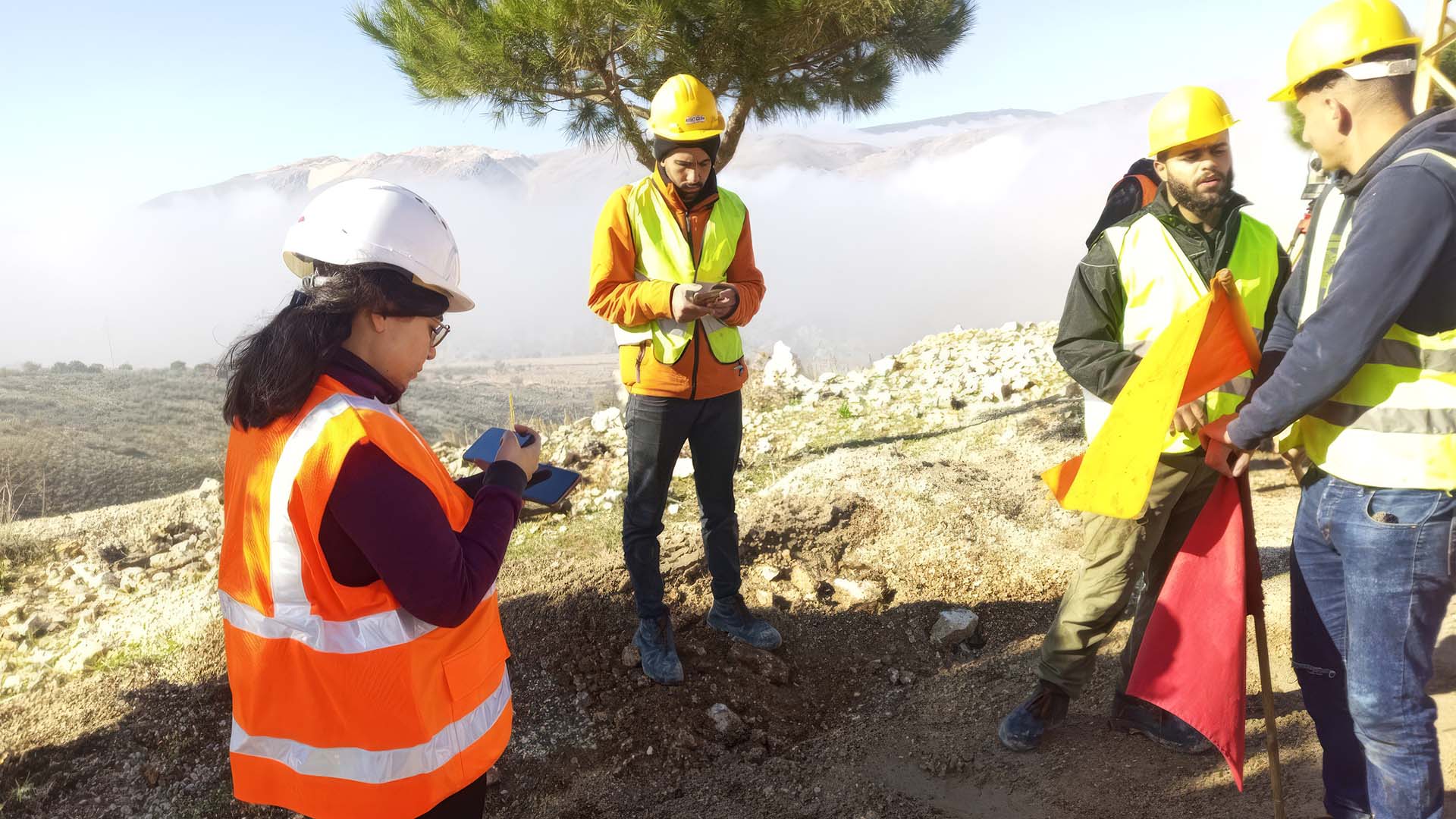
Over a five-year period, Ecocentra worked on the various phases of the project starting with preparing the project’s 16 Environmental and Social Management Plans (ESMPs) for 29 roads with a total length of 178 km (73 km in the South Governorate, 25 km in the Bekaa Governorate and 80 km in Nabatieh Governorate) and 5 roads in the North Governorate with a total length of 76 km. In alignment with World Bank Environmental and Social Framework, the project required field assessments and measurements to observe, record and map all sensitive receptors and environmental and social features along each road that may be affected by project activities, as well as coordinating and conducting public consultation sessions for each ESMP.
After commencement of the works, Ecocentra’s team provided supervision activities covering the environmental, social and occupational health and safety issues. They cover supervision of rehabilitation activities at 14 roads with a total of 100 km, 30 km in the Bekaa Governorate and 70 km in Nabatieh Governorate. In addition, the supervision covered Routine Maintenance activities for 36 roads with a total road length 214 km (142 km in the Bekaa Governorate and 72 km in Nabatieh Governorate).
Ecocentra’s tasks included the following activities:
- Regular site inspection visits and weekly inspection reporting.
- Ensure implementation of good international industry practice and maintaining a healthy and safe work environment and safe systems of work.
- Report and follow up non-compliance.
- Follow up on complaints raised on the Grievance Redress Mechanism and their proper resolutions
- Reporting on environmental and social safeguards and occupational health and safety measures in monthly and quarterly reports.
Challenges
The main disruption that faced the team during the early stages of the project included the protests of 2019 followed by the Covid-19 pandemic that hampered mobility and disrupted planned public consultations. This was managed through conducted online meetings with residents and carefully planned site visits taking into consideration road closures and public health instructions. During the 2024 war in Lebanon, the safety of all the team members and workers was prioritized mostly in the dangerous areas in the South and in Hasbaya Caza where most of the works were stopped. Site visits were conducted only after careful review of the target area and security conditions in the region.