
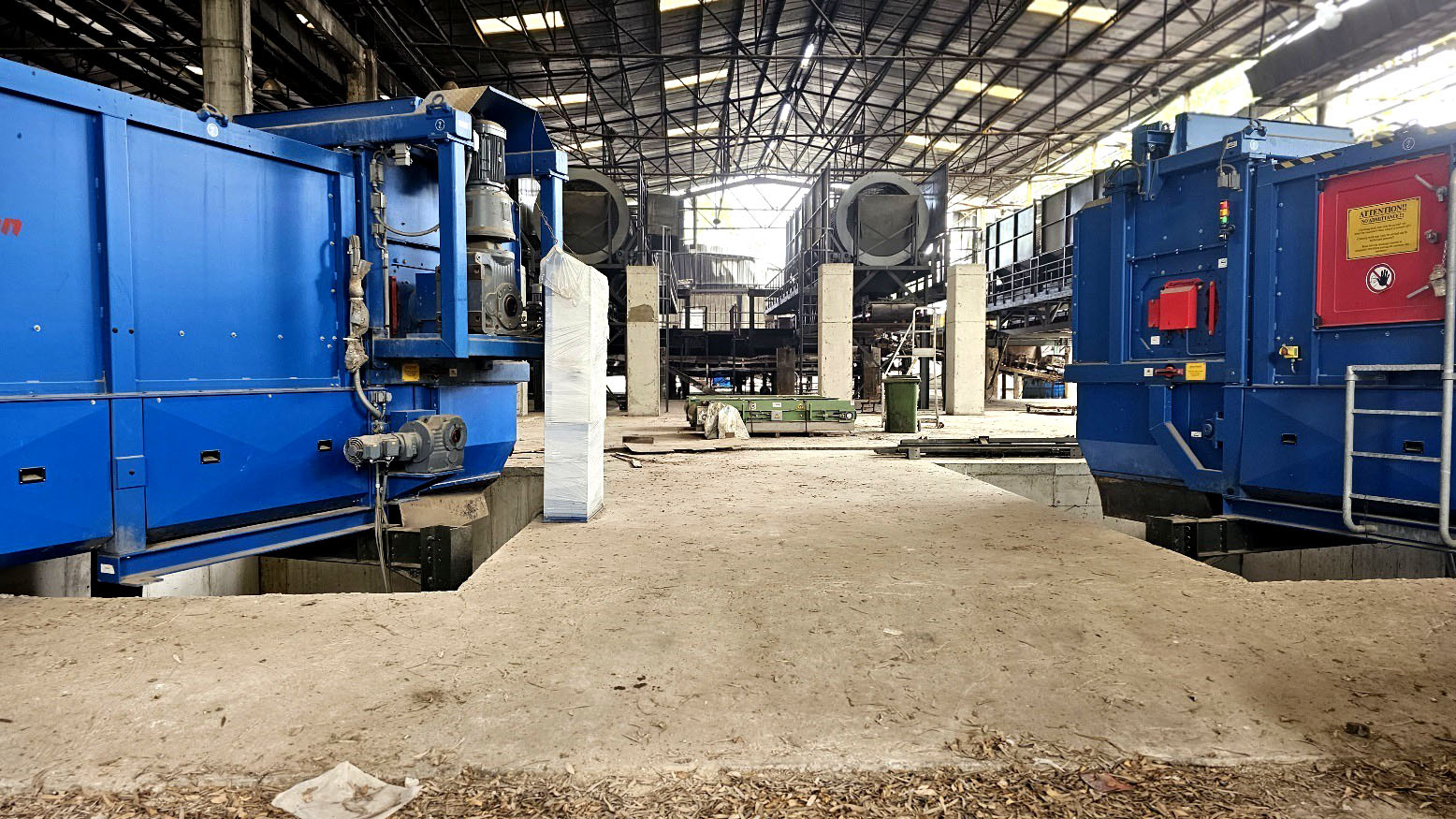
In response to the Beirut Port Explosion of August 4, 2020, the Beirut Critical Environment Recovery, Restoration and Waste Management Program was launched in 2022. The Project’s interventions were designed towards the management and disposal of demolition waste generated from the damaged buildings and asbestos contaminated waste, as well as the rehabilitation of the damaged solid waste infrastructure and facilities that serve Beirut City. The Project is financed by Lebanon Financing Facility, a multi donor trust fund administered by the World Bank and implemented by the UNDP, in close coordination with the Ministry of Environment. One of the activities under this project was the Rehabilitation of the Karantina Sorting Facility (KSF), which was badly damaged by the explosion and became nonoperational, such that all the waste generated in the region was being disposed of at two landfills in Costa Brava and Jdeideh. The KSF serves Beirut City and Metn Caza with a total processing capacity of 1,800 tons per day over an area of 17,785 m². The rehabilitation works include dismantling damaged steel and concrete structures, reconstructing and upgrading architectural, structural, mechanical, electrical, and infrastructure components, and installing new process equipment such as sorting, baling, and wrapping lines, along with fire protection, ventilation, and telecom systems to restore the facility’s full functionality.
Activities
Ecocentra was assigned by UNDP to prepare the Environmental and Social Management Plan (ESMP) for this project. The main activities undertaken by Ecocentra included baseline assessments of the physical environment, biodiversity, and socioeconomic conditions conducted through site visits and literature review. The environmental and social risks associated with the rehabilitation and operations of the KSF were identified, such as leachate generation, odour emissions and occupational health and safety risks. Mitigation measures and a monitoring plan were developed to address these risks. Furthermore, and in coordination with UNDP and Beirut Municipality, a stakeholder consultation session was held in Karantina to inform the stakeholders, including NGOs, local residents and the public about the project, the planned activities and the developed ESMP to take into account their concerns and feedback. During the session participants were informed of the project’s grievance mechanism and the different channels to file a complaint related to the project.